
As I mentioned in a previous post, I quickly learned how to identify plant health care issues with indoor plants, and I thought I’d share some of my insights here. I’m not an expert on plant diseases, or how to identify different types of plant pests, but I can quickly identify signs and symptoms of over-watering, too much light, too little light, etc. The best indoor plants can be killed by these common mistakes. Some of these symptoms may also be symptoms of diseases, so if the steps that I recommend for plant care don’t help, you may want to consult with a nursery for more help.
Plant Health Care – Too Much Water
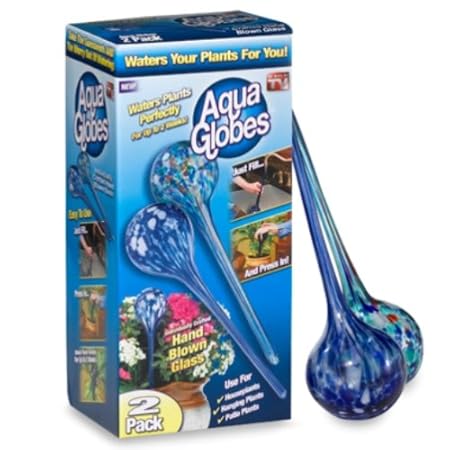
Figure 2: Aqua Globes help balance watering
When a plant has too much water, the tips or edges of the leaves may turn brown. Often the soil will smell kind of like sour milk and will get a brown crust across the top. At times the little white pieces in the soil turn kind of a muddy brown. If the base of the plant is a sickly brown right above the soil, that is an indication that the plant is rotting from too much water and you may not be able to save it. African Violets and Succulent plants are 2 varieties of plants that you should especially keep an eye out for these signs. It is very common for them to be over watered and get root rot.
If you notice these conditions stop watering your plant until the soil feels dry to touch when you stick a finger down into the soil 1 inch (2.5 cm). If the plant pot is sitting over (or in) water, remove the water while you let the plant dry. After the plant has dried out sufficiently, water it and then let it dry out again between future waterings. If the plant pot does not have drainage holes, repot the plant into a pot with good drainage and let the plant sit in a dark corner or dark room for about 3 days to recover from repotting.
Plant Health Care – Too Little Water
When a plant has too little water, the leaves will droop, flowers may drop off, and the soil will be powdery dry. Give the plant a thorough watering to the point where the water runs out of the holes in the bottom. Let the water drain out completely and then give the plant some “rest” time in a dark corner for a day or two. After that rest period return it to an area with the correct light for the type of plant and water it again when the soil feels dry down to 1 inch (2.5 cm) below the surface of the soil.
Keep in mind that plants in the same family can have different watering requirements. For example, Miniature Roses tend to need more water than regular sized Roses. Some indoor plant stands are self watering which can help alleviate the stress of trying to figure out how much water to give your plant.
If you have trouble finding a balance with watering your plants, you might want to try watering bulbs, like in Figure 2.
Plant Health Care – Too Little Light
When a plant has too little light, the leaves will be washed out. For example, Spider Plants will turn from green and white to a yellowish blend of the colors, and Coleus will lose the vivid beautiful reds and purples and become more green, white, and yellow. If a plant is out of sufficient light for a long enough period, the plant will become spindly looking and grow in the direction of whatever light source it can find.

Figure 1: Healthy Coleus
To correct the problem, identify the type of plant that you have and give it the correct light source. For example, African Violets love bright, indirect light. For people who live in the Northern Hemisphere a North-facing window tends to be ideal for an African Violet. On the other hand, many succulents require bright, direct sunlight in order to thrive. Once you have the plant in the right light conditions, turn it frequently so that it grows evenly.
Plant Health Care – Too Much Light
If a plant has too much light the symptoms may resemble a plant that has too little water. There may be scorch marks on the leaves from the light burning them, and the soil may be very dry. If your plant has symptoms like these, identify the plant and google it to find out what type of light it needs. Many plants prefer bright indirect light such as from a North-facing window (Northern Hemisphere).
It is common for many tropical plants to receive too much light because their owners know that they are tropical. However, many tropical plants (including some Palm Plants) grow in the shade and humidity of rain forests, and actually need less light and more water than one may expect.
Plant Health Care – Plant Pests
When you bring a new plant home keep it away from your other plants for at least a week so that you can make sure you are not introducing new diseases or pests to your other plants. Taking this precaution can save you a lot of headaches down the road.
If your plant is suffering from an infestation of plant pests, you may see some signs such as holes in the leaves, little black or white mounds or balls attached to the under-side of the leaves or to the stem, or the leaves may turn a sickly yellow or brown and drop off. I am not a proponent of pesticides because they tend to make people and animals sick. For that reason I highly recommend food grade Diatomaceous Earth. You can actually eat food grade Diatomaceous Earth, and your pets can safely eat it too. If you dust it on the leaves and soil of the plant it will kill the pests and not harm your plant. You can even mix it in water and mist it onto the leaves. Warning: ONLY use food grade Diatomaceous Earth because regular Diatomaceous Earth is harmful to your lungs and your body in general. Here is a link for the place where I buy my food grade Diatomaceous Earth (they only sell food grade).
Plant Health Care – Root Bound
Obviously the easiest way to know if a plant is root bound is to pick the pot up and look at the drainage holes. If you see bits of plant root poking out the holes, it generally means that your plant is due for a repotting. Another sign to watch for is spindly growth where there’s a single stalk with few leaves, and the leaves tend to drop off near the bottom of the stalk. A plant like this looks generally unhealthy and that’s a good sign to look for roots at the bottom. Also, if you have a foliage plants such as Spider Plants, and they start growing flowers, then that can be an indication that they are root bound as well. Some flowering plants bloom best when they are a little root bound, so double check on the requirements for the specific plant before repotting if you are in doubt. After repotting a plant, be sure to give it a few days in a darkened room to recuperate from the shock of being uprooted.
The oddball plants in regards to being root bound are Orchids. They need to have their roots out in the open air in order to survive. They send out tendrils of fleshy plant that is sometimes hard to differentiate from a flower spike, but they are roots and should be allowed to stick outside of their flower pots. Orchid care tends to be different from most other plants, and I recommend that you research specifics about them if you are having problems with your orchids.
Poisonous Plants
It’s a good idea to wear gloves when repotting or pruning poisonous plants. While many varieties of poisonous plants (such as Cyclamen) are only dangerous if ingested, some are poisonous if you get cut by their sharp fronds.
Sources and Citations
https://www.earthworkshealth.com/ – research source

